The event underscored a growing collaboration between the Department of Defense and academia aimed at advancing intelligence capabilities, accelerating innovation in national security, and preparing the next generation of intelligence professionals.
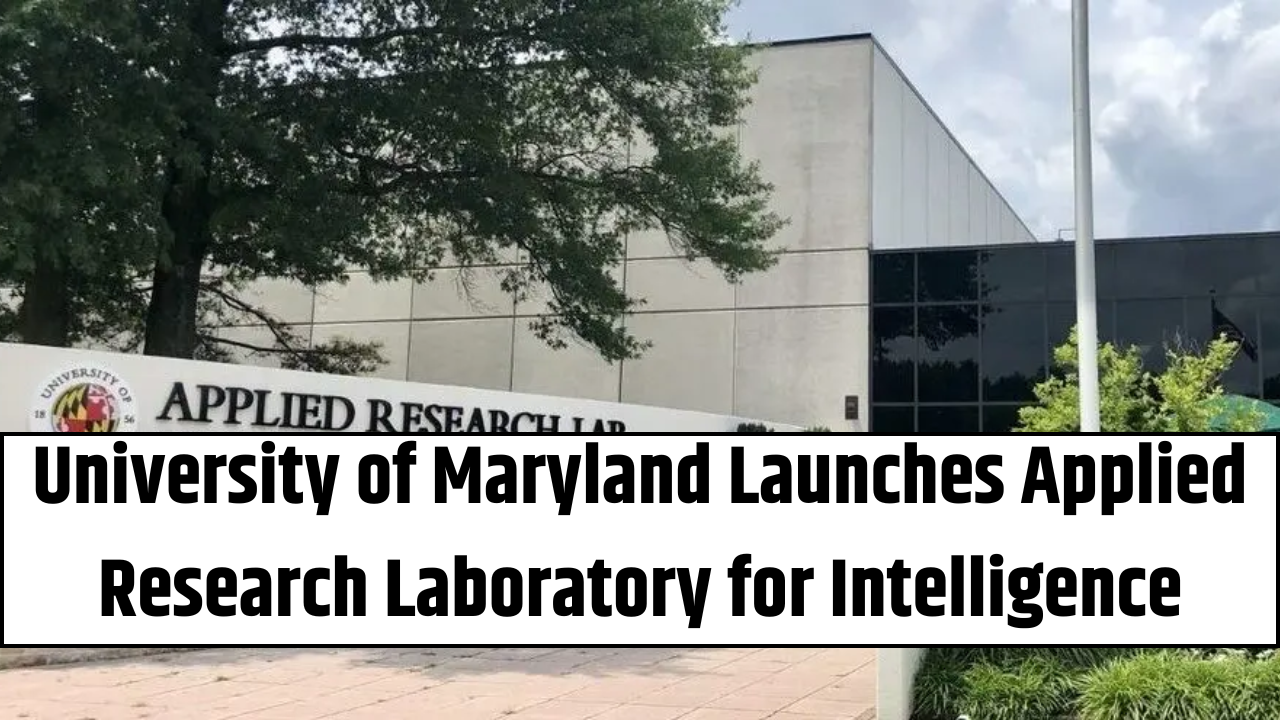
At the center of the partnership is ARLIS, one of only 14 university-affiliated research centers (UARCs) nationwide designated to support the Defense Department. ARLIS conducts both foundational and applied research spanning human and sociotechnical systems, artificial intelligence, automation and augmentation, as well as advanced computing and other emerging technologies.
According to Kathleen Hicks, ARLIS occupies a unique role within the UARC ecosystem.
“ARLIS is the only UARC dedicated specifically to the intelligence and security communities,” Hicks said. “Its ability to adapt quickly and apply science and technology to real-world problems makes it especially valuable as national security challenges grow more complex.”
Hicks noted that the United States is operating in an increasingly volatile global environment, facing pressure from nation-state adversaries such as Russia, Iran, and North Korea, alongside threats from transnational and non-state actors. The Defense Department has also identified China as its primary pacing challenge.
“These destabilizing activities target our infrastructure, our democratic institutions, and our military readiness,” Hicks said. “Meeting these challenges demands constant research, rapid innovation, and experimentation. ARLIS gives us the platform to do that effectively.”
A human-centered approach to intelligence
Sponsored by the Office of the Undersecretary of Defense for Intelligence and Security, ARLIS has already demonstrated the value of its partnership with the University of Maryland, said Ronald Moultrie.
“Our collaboration reflects one of the most pressing needs in intelligence and security today—a research center focused on evolving our capabilities with humans at the core,” Moultrie said. “Future success depends on blending advanced technologies with deep human understanding, and integrating both into how intelligence work is done.”
Moultrie emphasized that innovation within the department is not limited to new tools, but also includes rethinking how capabilities are developed, delivered, and applied across intelligence missions.
Speeding innovation from lab to mission
One of ARLIS’s primary contributions, Moultrie said, is helping the Defense Department move technology from research environments into operational use more quickly. Its applied research is already helping decision-makers determine how new systems can be fielded faster, support current mission demands, and modernize existing platforms.
“Our objective is to identify and apply technologies that are essential to national intelligence and security,” he said. “ARLIS is helping us protect today’s capabilities while positioning us to anticipate and achieve future mission success.”
As global threats evolve and intelligence demands intensify, defense leaders say partnerships like ARLIS will play a critical role—not only in strengthening national security, but also in shaping the future workforce that will sustain it.